
What to Expect During the Fire Restoration Process
Fire restoration professionals help restore safety and structure after a fire, guiding you through cleaning, repairs, and damage assessment to restore your property.
Understanding what to expect during the fire restoration process can help property owners feel more prepared and less overwhelmed during a challenging time. When a fire impacts a property, the restoration journey typically involves several key steps, including assessment, debris removal, cleaning, and repairs. Local contractors experienced in fire restoration are equipped to guide property owners through each phase, ensuring that the affected areas are safely and thoroughly restored. Recognizing the typical stages of this process can provide peace of mind and help property owners make informed decisions about the services they may need.
For those in the area facing the aftermath of a fire, exploring information about what the fire restoration process entails is a practical step toward recovery. Property owners often seek out local service providers who can handle everything from smoke and soot removal to structural repairs, restoring safety and comfort to their spaces. Continuing to learn about these stages can clarify what to expect and highlight the importance of working with professionals who understand the nuances of fire damage. This knowledge empowers property owners to better navigate the recovery process and connect with trusted local experts to address their specific needs.
- Initial assessment - when fire damage has occurred, local service providers evaluate the extent of smoke, soot, and structural impact to plan the restoration process.
- Debris removal - after a fire, professionals handle the safe clearing of charred materials and debris to prepare the site for cleaning and repairs.
- Cleaning and deodorization - smoke residues and odors require specialized cleaning methods, which local contractors use to restore indoor air quality.
- Structural repairs - damaged walls, ceilings, and flooring are repaired or replaced by local pros to restore safety and stability.
- Final inspection - once restoration is complete, service providers conduct thorough checks to ensure the property is safe and properly restored.
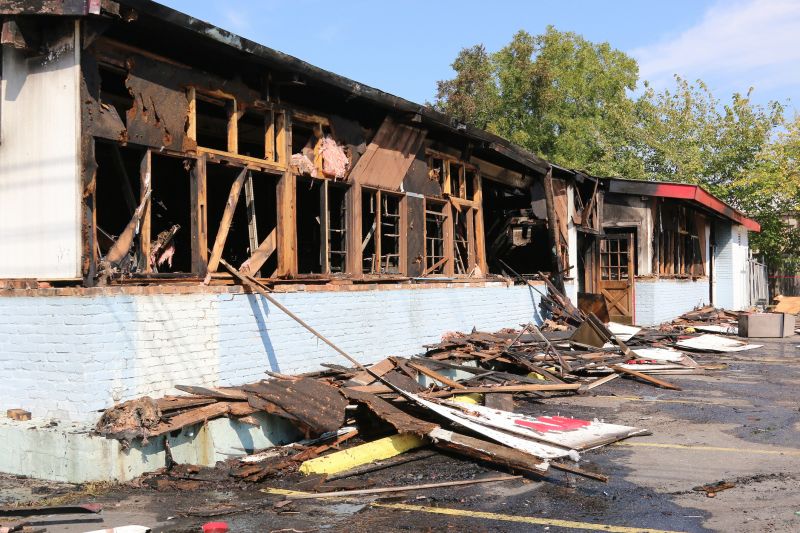
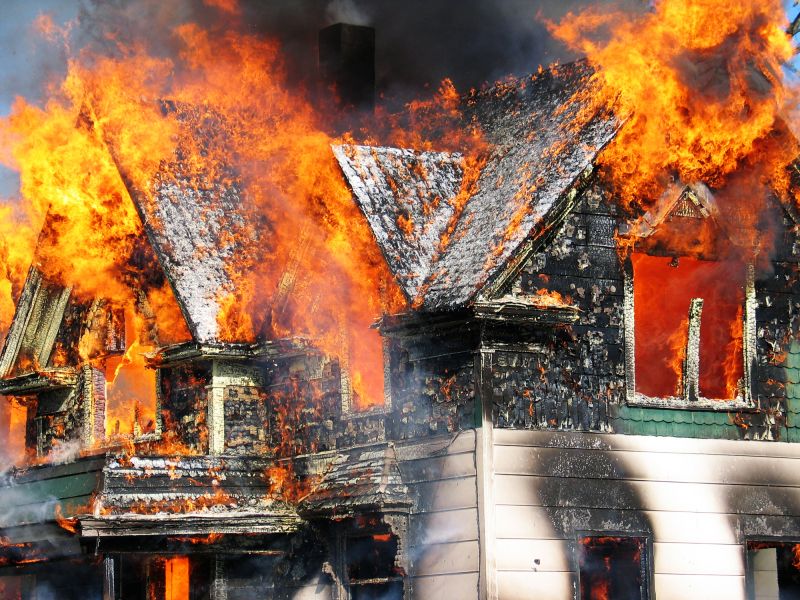
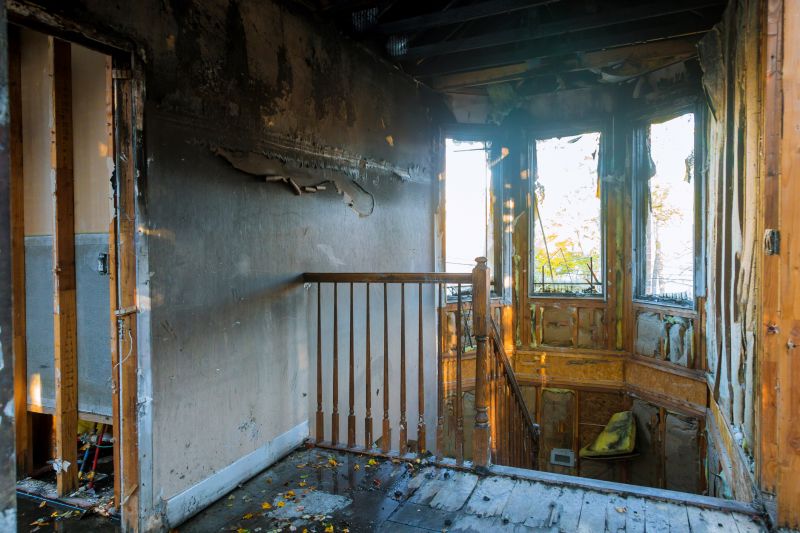
Understanding what to expect during the fire restoration process is essential for homeowners facing the aftermath of a fire. When searching for this topic, many people are looking for a clear overview of the steps involved in restoring their property, including cleanup, repairs, and rebuilding. Fire restoration is a comprehensive service that addresses damage caused not only by flames but also by smoke, soot, and water used during firefighting efforts. Homeowners often want to know how the process unfolds so they can prepare for the disruption and understand how experienced service providers will handle each phase to restore safety and comfort to their homes.
The fire restoration process typically relates to problems such as structural damage, smoke and soot residue, and water damage from firefighting efforts. Many plans involve initial assessment and damage inspection, followed by debris removal and cleaning. This is often succeeded by specialized treatments to eliminate smoke odor and prevent further deterioration. Once the affected areas are cleaned and treated, repairs and rebuilding may be necessary to restore the property to its pre-fire condition. Homeowners should be aware that each project is unique, and experienced local contractors tailor their approach based on the extent of damage and the specific needs of the property.
Properties that commonly undergo fire restoration include single-family homes, multi-unit residential buildings, and small commercial structures. In residential settings, the process often involves restoring living spaces, kitchens, and attics where fire damage can be concentrated. Commercial properties, such as offices or retail stores, may require a more extensive approach due to the complexity and size of the space. Regardless of the property type, fire restoration professionals focus on minimizing further damage while effectively removing hazards like soot and residual odors. Understanding the scope of work helps homeowners recognize how local service providers bring expertise and equipment to handle different property sizes and types efficiently.
Throughout the fire restoration process, homeowners can expect a series of coordinated steps managed by experienced local contractors. After an initial assessment, the team will begin cleaning and removing debris, followed by targeted treatments to address smoke and odor issues. Structural repairs and rebuilding are usually the final phases, aiming to return the property to its original condition. It is important for homeowners to work closely with these service providers, who bring specialized knowledge and tools to handle the complexities of fire damage. Knowing what to expect during this process can help homeowners stay informed and prepared, ensuring a smoother transition from damage to restoration.
Smoke damage cleanup - professionals skilled in removing soot and odors from fire-damaged structures can handle similar cleaning tasks during fire restoration processes.
Structural drying and moisture control - local contractors experienced in drying techniques and moisture mitigation are essential for preventing further damage after a fire.
Content restoration and cleaning - specialists who restore and clean personal belongings affected by smoke and fire can assist in the overall restoration effort.
Mold remediation services - fire-damaged properties often require mold removal expertise, making these projects related in planning and cleanup procedures.
Home demolition and debris removal - safely tearing down and clearing fire-damaged structures involves skills similar to those used in fire restoration preparation.
Fire alarm and sprinkler system installation - installing or repairing fire safety systems shares planning and technical skills relevant to fire restoration projects.
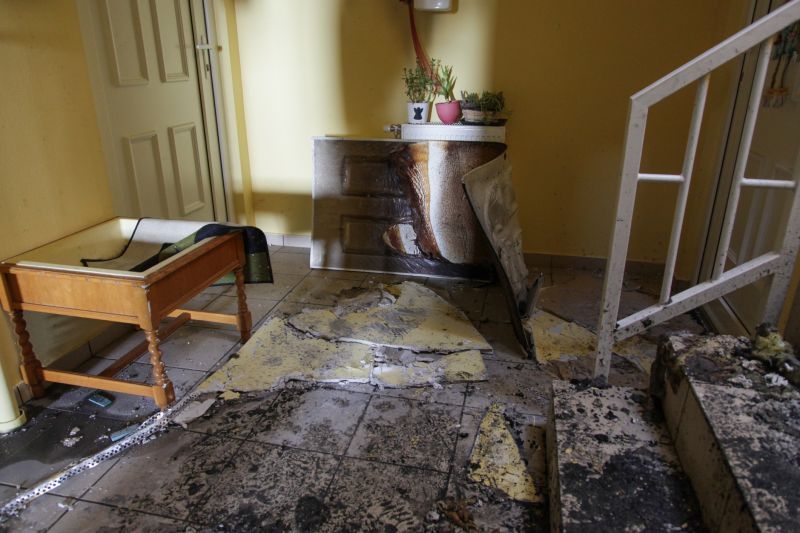
When evaluating fire restoration service providers, it’s important to consider their experience with similar projects. Homeowners should inquire about how many fire damage restorations the local contractors have handled and whether they have worked on properties with comparable scope and severity. An experienced service provider will have a clearer understanding of the typical challenges involved in the fire restoration process and can offer insights into what to expect during each phase. This background can help ensure that the restoration work proceeds smoothly and that the results meet expectations for thoroughness and quality.
Clear written expectations are a vital component when comparing local service providers for fire restoration. Reputable contractors should be able to provide detailed descriptions of the services they offer, outlining each step of the process from damage assessment to final cleanup. Having these expectations documented helps homeowners understand what services will be performed, what the timeline might look like, and what the anticipated outcomes are. Transparent communication upfront reduces misunderstandings and provides a foundation for a smoother restoration experience.
Reputable references and strong communication practices are essential qualities to look for in local fire restoration providers. Homeowners should seek out service providers who can supply references from past clients or examples of completed projects similar to their own. Additionally, good communication throughout the process-such as prompt responses to questions and clear explanations of procedures-can significantly improve the overall experience. Service providers who prioritize open dialogue and provide consistent updates can help homeowners feel more confident and informed as they navigate what to expect during the fire restoration process.
Property owners often search for what to expect during the fire restoration process when they are planning practical projects around their homes and businesses. Local pros provide Fire Restoration services for everyday jobs and straightforward project options.
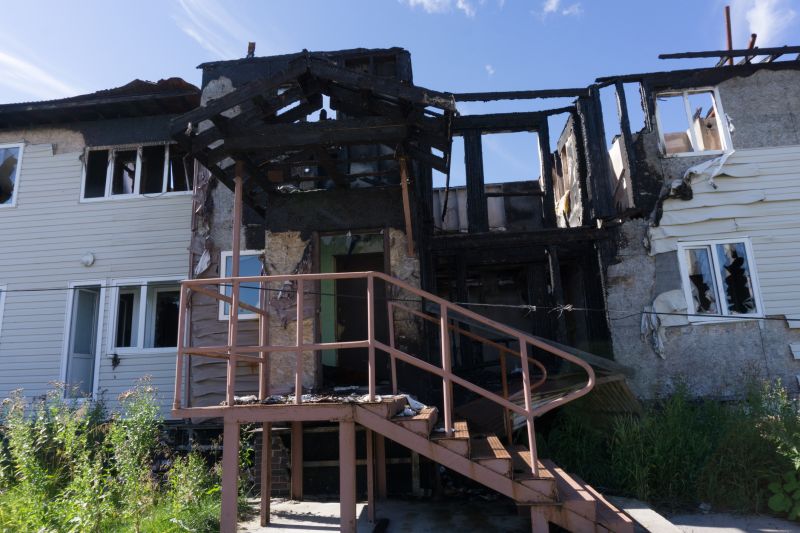
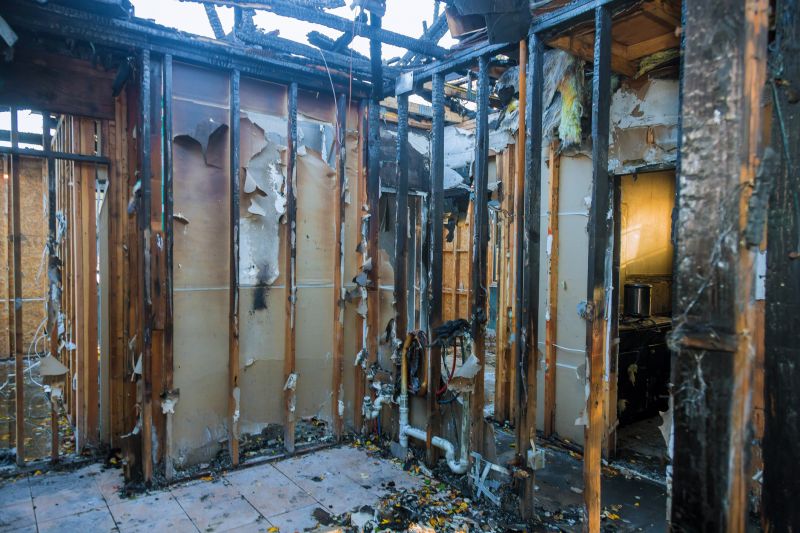
During the fire restoration process, property owners can expect a series of coordinated efforts by local contractors to address damage and restore safety. Initially, the focus is often on assessing the extent of the damage, which may involve removing debris, securing the property, and beginning the cleanup of soot and smoke residues. Homeowners and business owners might notice that the process involves multiple stages, including structural repairs, cleaning of affected areas, and odor removal. These steps are essential to ensure the property is safe, livable, and visually restored, and they typically involve ongoing communication with service providers to keep everyone informed about progress and next steps.
People searching for fire restoration services often want to understand what happens during the process to prepare themselves for disruptions or to make informed decisions. Common situations include dealing with lingering smoke smells, cleaning and restoring personal belongings, and repairing or replacing damaged building materials. Local contractors are experienced in managing these tasks efficiently, helping property owners navigate the complexities of fire damage cleanup. Knowing what to expect during the fire restoration process can make the experience less overwhelming and help ensure that the work is done thoroughly and professionally.
What are the initial steps during fire restoration? Local contractors typically begin with assessing the extent of fire and smoke damage, followed by securing the property to prevent further harm. They then develop a plan to address structural issues and begin cleaning and removal of damaged materials.
How do professionals handle smoke and soot cleanup? Service providers use specialized cleaning techniques and equipment to remove smoke and soot residues from surfaces, ensuring the property is thoroughly cleaned and odors are minimized.
What can I expect during the structural repairs? Local contractors evaluate the damage to the building’s framework and may perform repairs or replacements of compromised structural elements to restore safety and stability.
Are contents restoration services part of the process? Yes, many service providers offer contents cleaning and restoration, which includes cleaning personal belongings and household items affected by fire and smoke damage.
What is involved in final cleaning and restoration? The final phase typically includes detailed cleaning, deodorization, and ensuring the property is returned to a safe, habitable condition, ready for occupancy or further renovation.
Assessment and Inspection - Local contractors will evaluate the extent of fire and smoke damage to determine necessary restoration steps and ensure all affected areas are identified early.
Content Cleaning and Debris Removal - Service providers can handle the removal of soot, ash, and damaged materials to prepare the property for repairs and restore a clean environment.
Structural Repairs and Reconstruction - Professionals will address compromised building elements, such as framing and drywall, to restore the safety and integrity of the property.
Odor Removal and Air Purification - Experts use specialized equipment to eliminate lingering smoke odors and improve indoor air quality during the restoration process.
If you are thinking about what to expect during the fire restoration process for a property, this guide is meant to help you understand this topic, the typical project types, and how different options might fit your plans.
When you are ready, you can use the quote form on this page to share a few details about your project. From there, local pros can review the basics and follow up with options that match what you have in mind.